Operational excellence
AI lands on top of whatever you already have, and it turns up the volume. A process full of waiting, rework, and workarounds only gets faster at producing them. We help you see how work really flows, remove the waste, and then let AI and automation take the routine.
Most of the time, work is waiting.
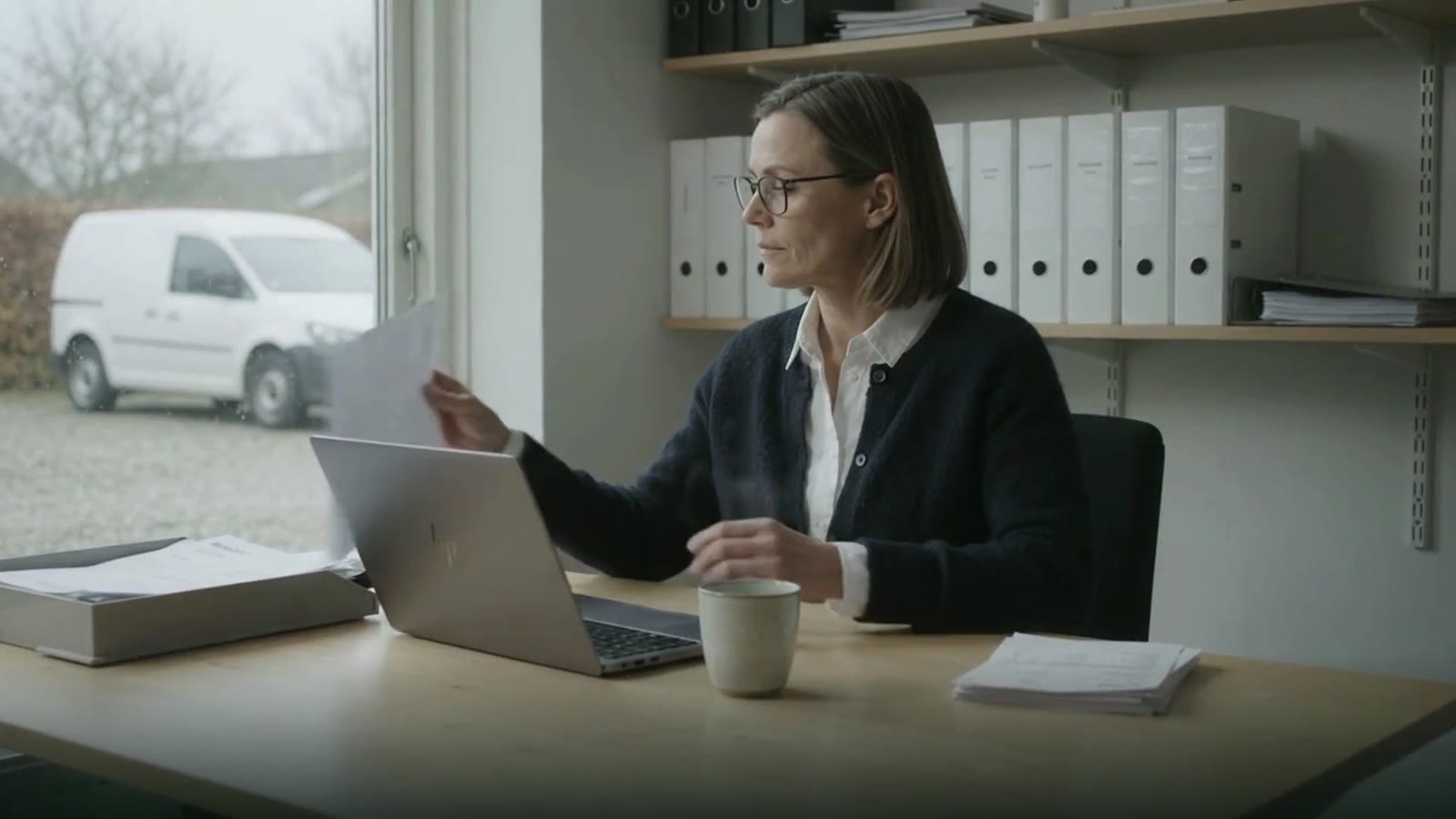
- Work that waits. A task spends most of its time in a queue, waiting for an answer, an approval, or a person.
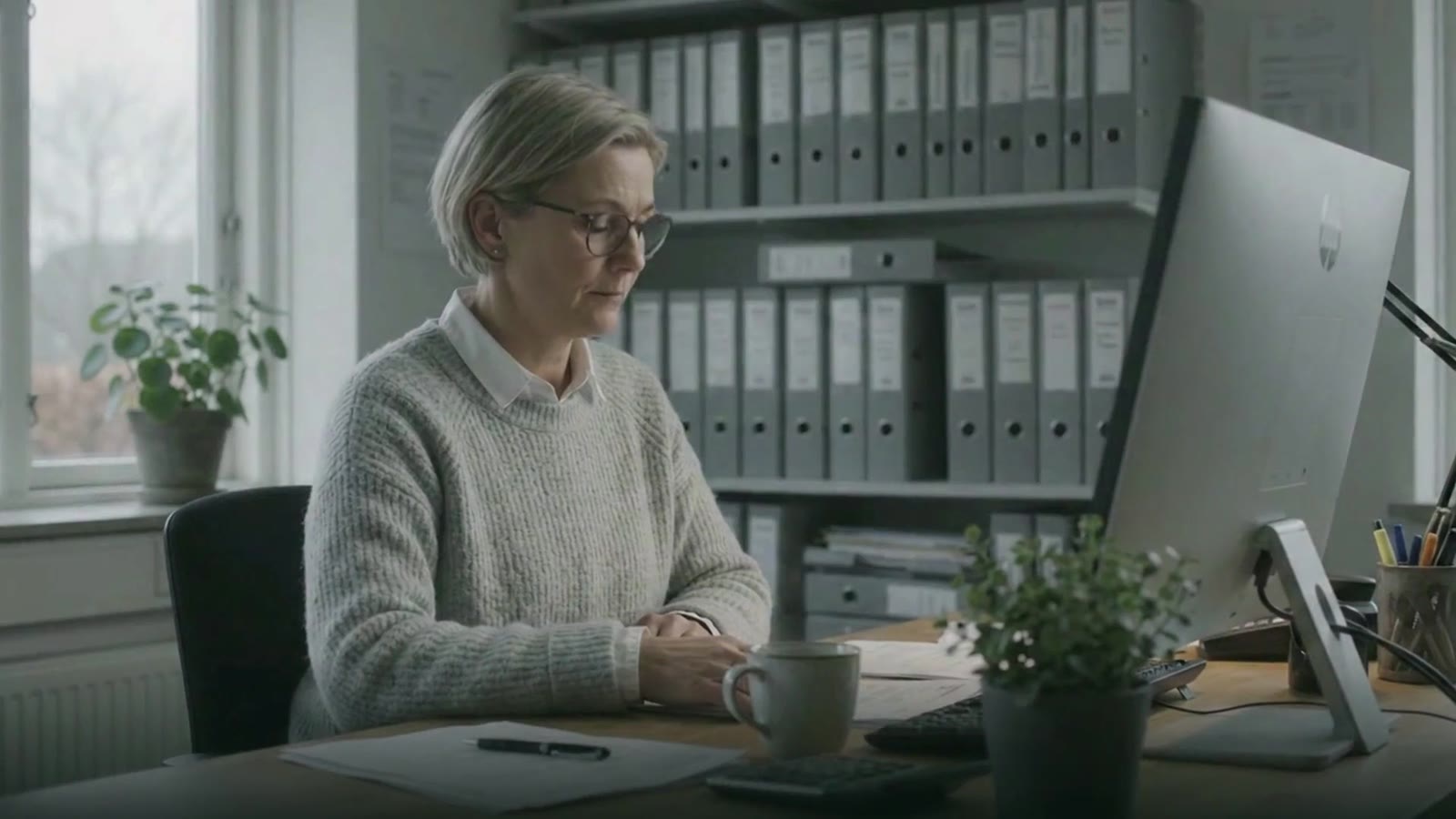
- The same errors again. Mistakes get fixed by hand each time, and the cause stays.
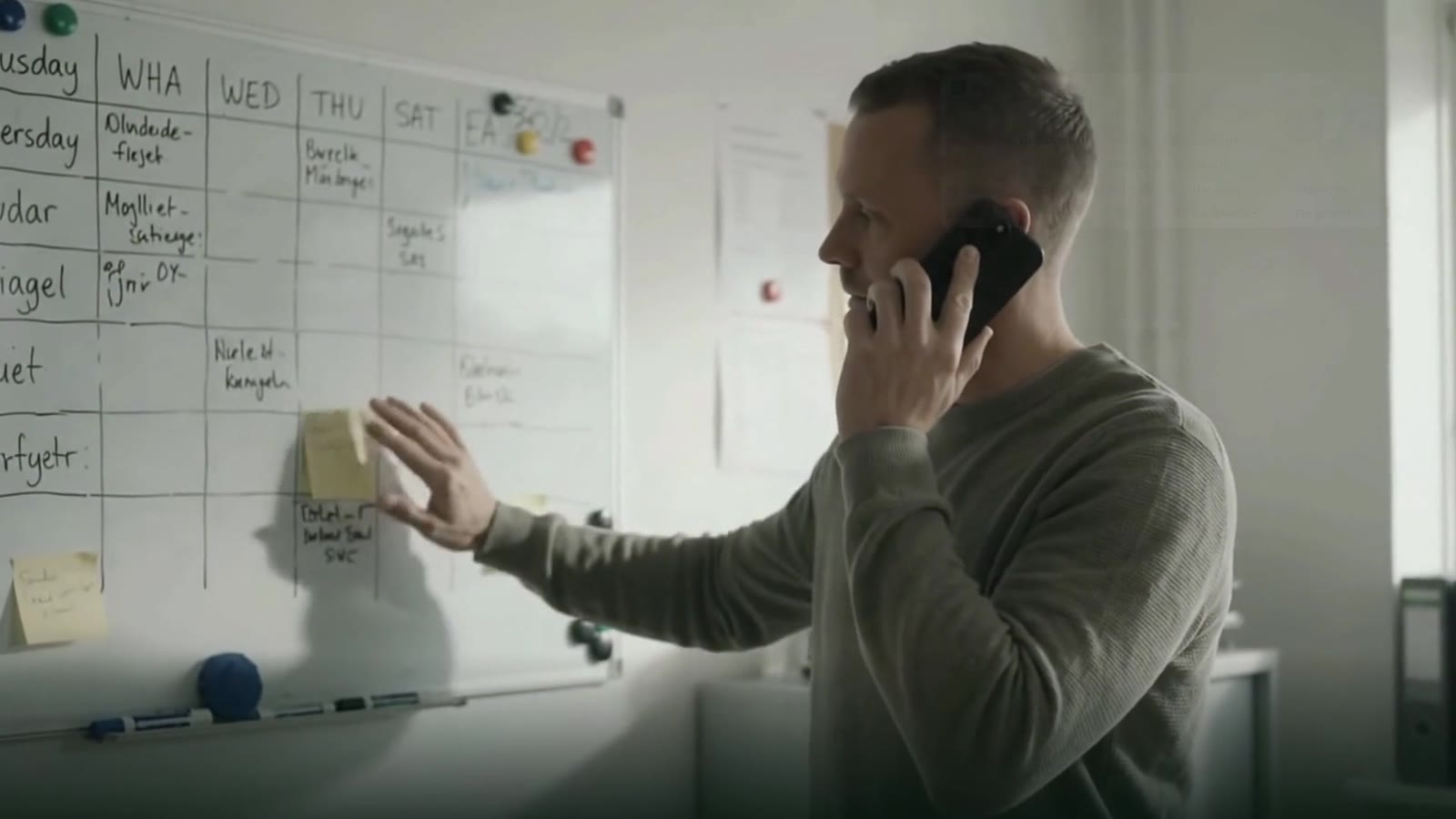
- Everyone works around the system. People keep their own spreadsheets because the official process does not fit how they work.
How we can help
Mapping how work flows
We follow your processes from start to finish with the people who run them, and show where the time goes.
Lean and Six Sigma
We remove steps that add no value, and find the causes of errors and variation with data.
Teaching your people to see
We train your teams to map a process, find the waste, and plan, do, check, and act, so they keep improving on their own.
Work systems and operating models
We design roles, routines, information flows, and decision rights that fit the way you work.
AI and automation built in
We let software take the routine steps once the process is clean, so people spend their time where judgment matters.
Where the time goes
When we map a process with the people who run it, the same picture often appears: most of the time is waiting, and only a small part is actual work. That is where the improvement is.
Example: an invented order process, today and after the waiting is cut.
How we work with you
We start where work happens, in the office, the workshop, or on the road, with the people who run the process. From there we agree what to improve first and change one area at a time, so the business keeps running while it improves. Learn how we work.
Questions we often hear
- Is Lean only for factories?
- Lean started in manufacturing, and it works just as well in offices, service, and administration, wherever work moves from one person to the next.
- Do we need data before we start?
- Some, and often less than you think. We start with what you have and measure the rest as we go.
- How do the improvements last?
- We make them part of roles, routines, and tools, and train your people to keep improving on their own.
Contact us
Tell us what you want to achieve. We’ll discuss where we can help and what a practical next step could look like.